Choosing a local Orlando locksmith for a commercial lockout and security assessment is a decision that affects operations and liability. Having worked both as a field locksmith and as an adviser to small chains, I have seen what works and what fails when someone needs an emergency locksmith in Orlando. This article lays out how to choose a locksmith near me for commercial needs, what a thorough assessment looks like, and what to expect in cost and timing.
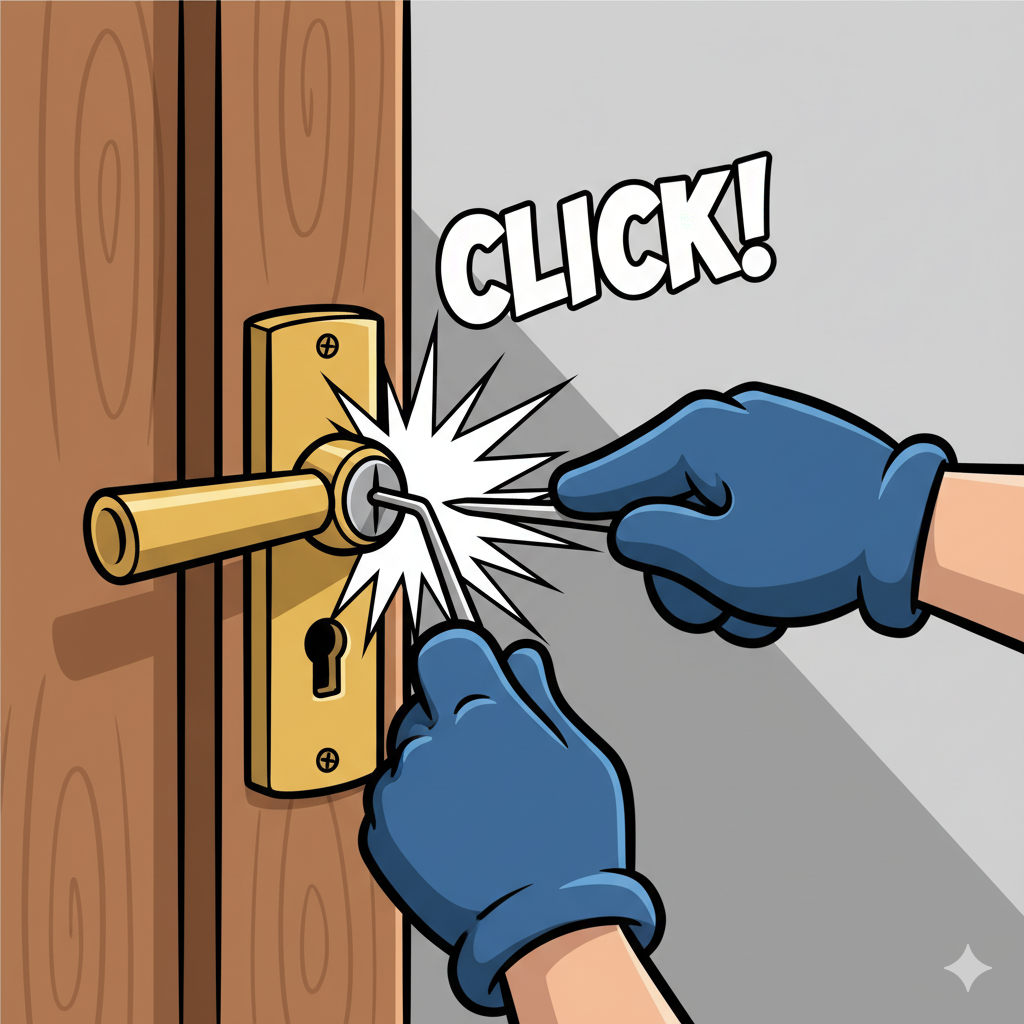
Why selecting a commercial-focused locksmith matters for your business security.
Commercial hardware has different wear patterns, regulatory requirements, and usage cycles than residential locks, and a locksmith experienced with businesses recognizes those distinctions. Technicians who focus on homes may substitute a quick fix that reduces downtime but leaves a vulnerability, while commercial locksmiths balance immediate access with documented fixes. If your site has an alarm or card access system, you want a locksmith who can work with those systems or coordinate cleanly with the vendor.
What to expect during a professional commercial lockout and security assessment.
The technician should produce a readable inventory with make, model, serial or tag numbers, and cycle notes for each lock and entry point. Look for a clear prioritization that helps managers decide what to authorize first. A technician should test panic hardware, check door frames and strikes for reinforcement, examine cylinders for evidence of key bumping or drilling, and verify closing forces and hinge conditions. The assessment process should include photographing problem spots and keeping the photos with the report for later comparison if replacements or warranties are required.
How to weigh response time when you need an emergency locksmith in Orlando.
Availability means not only advertised hours but also realistic drive times and on-call staffing in your neighborhood. A trustworthy provider will tell you the trade-off between immediate entry and doing the job without damage, such as when a lock must be drilled or rekeyed on the spot. When I was on-call in busy districts, I found realistic arrival times varied wildly between midday windows and late-night calls, so I built client expectations around ranges. For high-value sites, clients sometimes pay a retainer or priority fee for reduced response windows and documented SLA terms.
How to vet a locksmith during first contact and what questions to ask onsite.
On the phone, listen for whether they ask for your exact address, business type, entry type, and any alarm codes; those questions indicate experience. A professional will present a company ID, a written estimate for non-emergent work, and will log the call with a job number. Ask to see previous invoices or references from similar businesses, or ask for photos of past commercial jobs to judge workmanship and attention to detail. Clear explanations build trust and reduce surprises on the final invoice.
What technicians commonly find during an assessment and the realistic remedies they recommend.
Door sag and frame wear frequently produce failures that look like lock defects but are actually poor alignment, and correcting the frame or adding longer screws can repeatably fix the issue. Panic hardware inspection should include cycle testing, hinge checks, and latch engagement measurements to confirm it meets code and function. When cylinders show signs of bumping or drilling, security upgrades such as restricted keys or high-security cylinders are often recommended. Small businesses sometimes think access control is set-and-forget until a former employee still opens doors months later.
What to expect to pay for a commercial lockout assessment and immediate remedies.
Assessments often come with a fixed fee in the $75 to $250 range depending on thoroughness and travel, and that fee may be waived if repairs are authorized. Many providers have flat night or holiday rates that reflect overtime labor and longer travel times. Good bids show the exact cylinder model, finish, handing, and expected life cycles so facilities teams can standardize across sites. I have worked with clients who https://www.pinterest.com/locksmith_unit_orlando/ staged projects over three to six months to spread costs while addressing highest-risk items first.
Negotiating contracts, warranties, and service-level agreements with a local locksmith.
Without insurance, you increase financial risk if an emergency entry goes wrong. Parts may carry manufacturer warranties while labor warranties are company-specific, and both should be clear in the contract. For recurring coverage, include clear response time targets, priority definitions, and a mutual termination clause so both parties can exit if expectations are not met. Key control clauses can require restricted blanks, signed sign-outs, and periodic inventory checks.
Simple operational changes that cut emergency callouts and strengthen access control.
I recommend a quick quarterly checklist for facilities teams that documents latch operation and door alignment. Train staff on procedures for accidental lockouts and for who to call, including having a printed emergency contact list kept in a manager binder and electronically available. I have helped small chains save measurable time and money by moving to two or three standard cylinder types systemwide. Small investments in maintenance often pay back quickly by avoiding after-hours charges.
Deciding between a single trusted locksmith and competitive bidding for major projects.
A long-term provider knows your doors, standard keying, and typical failure modes, which reduces diagnostic time. When I saw inflated bids, it was often because the scope was vague; detailed specs and part numbers level the playing field. A blended approach often works: retain a go-to technician for day-to-day work and use bids for large or specialized upgrades. I have seen gaps cause repeated outages when key history or hardware specs were missing during a contractor changeover.
Final practical checklist for hiring a professional Orlando locksmith for business lockout assessments.
Documentation up front prevents disputes later. Clarify response times, after-hours rates, and what constitutes emergency work in writing so there are no surprises on invoices. Request part numbers and brands for recommended hardware and insist on photos with the final invoice to document repairs. Preventive work reduces downtime and spreads costs more predictably than surprise emergency repairs.
Adopting a measured approach turns emergency relationships into dependable service partnerships. Call logs, photos, and written assessments are the currency of a healthy vendor relationship, so keep them in an organized folder. Security is iterative and operational; the right locksmith helps you close immediate gaps and build a reasonable, sustainable plan for the next three to five years.